Can I clear my AC drain line myself?
Some homeowners can clear minor clogs, but repeated clogs, water damage, or float switch trips should be inspected by a professional.
Learn why AC condensate drain lines clog, warning signs to watch for, and how Phoenix homeowners can prevent water damage.
QUICK ANSWER
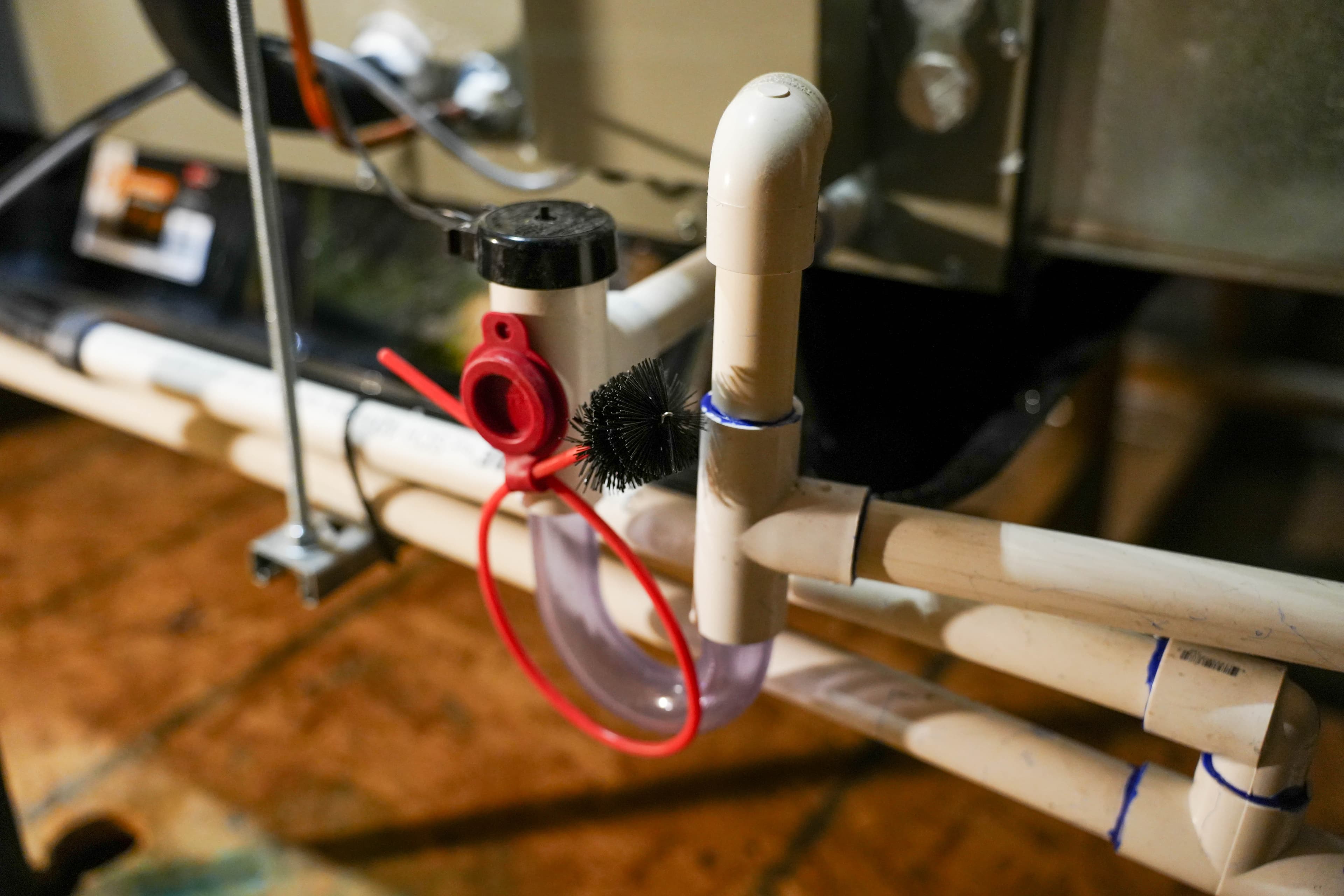
An AC drain line keeps clogging when algae, dust, debris, sludge, poor drain slope, or neglected maintenance blocks condensate from leaving the system. In Phoenix, long cooling seasons mean the AC can produce condensate for months, so drain problems should be handled before water backs up into ceilings, walls, or floors.
An AC drain line is not glamorous. It is a small pipe whose job is to get water away from your cooling system without turning your hallway ceiling into modern art. When that line clogs, the AC may shut off, leak water, create musty odors, or damage nearby surfaces. In Phoenix, where the cooling season can be long and unforgiving, drain maintenance deserves more respect than it gets.
As warm indoor air passes over the cold evaporator coil, moisture can condense on the coil. That water drains into a pan and exits through the condensate drain line. If everything works correctly, you barely notice it. If the line clogs, water backs up. Some systems have float switches that shut off the AC before overflow occurs. Others give homeowners the gift of indoor water damage, because apparently comfort needed suspense.
The inside of a drain line can collect dust, algae, sludge, rust flakes, debris, and biological growth. Poor drain slope, long drain runs, and lack of cleanout access can make the problem worse. Dirty filters and dusty return leaks can also contribute. More debris entering the air handler can mean more material washing into the drain pan and line.
A clogged drain can show up in several ways. Some are obvious, like water around the indoor unit. Others are sneaky, like the thermostat being on while the system refuses to run because the float switch tripped.
Routine maintenance is the best defense. A technician can inspect the drain pan, flush the line, confirm slope, check float switches, clean the coil area, and look for filter or return-air issues contributing to sludge. Homeowners can also change filters regularly and pay attention to musty smells or water stains. Waiting until water appears is a strategy, technically, but so is leaving your wallet outside during monsoon season.
Call for service if the AC shuts off, water is present, the float switch trips repeatedly, or the line clogs more than once in a season. Recurring clogs may point to a deeper installation, airflow, coil, or maintenance issue. Way Cool can clear the line and inspect the system so the same problem does not return like a bad sequel.
Some homeowners can clear minor clogs, but repeated clogs, water damage, or float switch trips should be inspected by a professional.
Many systems have a safety float switch that shuts the AC off when water backs up, helping prevent overflow damage.
It should be checked during regular AC maintenance, especially before and during heavy cooling season in Phoenix.
If your AC drain line keeps clogging, book a Way Cool service visit before a small pipe turns into a drywall invoice.
Schedule online or call. $89 service call, waived with any approved repair.