Way Cool Plumbing & Air
← Blog·Plumbing·

Leak Detection and Prevention — FAQs

Slab leaks, pinhole leaks, irrigation leaks. Here's how to spot a hidden leak before your water bill explodes — and how we find them.

Leak Detection and Prevention — FAQs

Phoenix slab-on-grade construction means most supply plumbing runs under your concrete foundation. When a copper supply line pinholes, the leak doesn't show up as a wet spot — it shows up as a $400 water bill three months in a row. Here's the leak detection picture.

How can I tell if I have a hidden leak?

The clearest signal is your water meter. With every fixture off in the house (no toilets running, no irrigation running, no ice maker cycling), watch the meter for 5 minutes. If it's moving at all, you have a leak somewhere. Also watch for: unexplained warm spots on the floor (slab leak), water bill increases without a usage change, or the sound of running water when nothing is on.
What is a slab leak?

A slab leak is a leak in the supply plumbing buried under your concrete foundation. They're common in Phoenix because slab-on-grade is the dominant construction style and copper supply lines pinhole over time, especially when subject to hard water and temperature swings.

How do you find a slab leak without breaking the floor?

We use acoustic listening devices and thermal imaging to pinpoint the leak before any concrete is opened. Acoustic tools detect the sound of water escaping under pressure; thermal imaging picks up the temperature differential when hot-water lines leak. The result: a small surgical opening to access the leak, instead of trenching a long section of slab.

Should I fix the leak or re-pipe?

First slab leak: fix the spot. Second leak in a different location within a year or two: get a written re-pipe quote. Third leak: re-pipe is almost always the right call. The pattern of recurring pinholes signals that the rest of the supply system is at end-of-life.

What about leaks I can see — under sinks, at toilets?

Visible leaks are usually faster and cheaper to fix than hidden ones. Most under-sink leaks are slip-joint connections, supply-line connections, or P-trap failures — all $20-part fixes if you catch them early. Toilet leaks (rocking, water at base) are usually a wax-seal job. Don't ignore visible leaks; the water damage they cause adds up.

How can I prevent leaks?

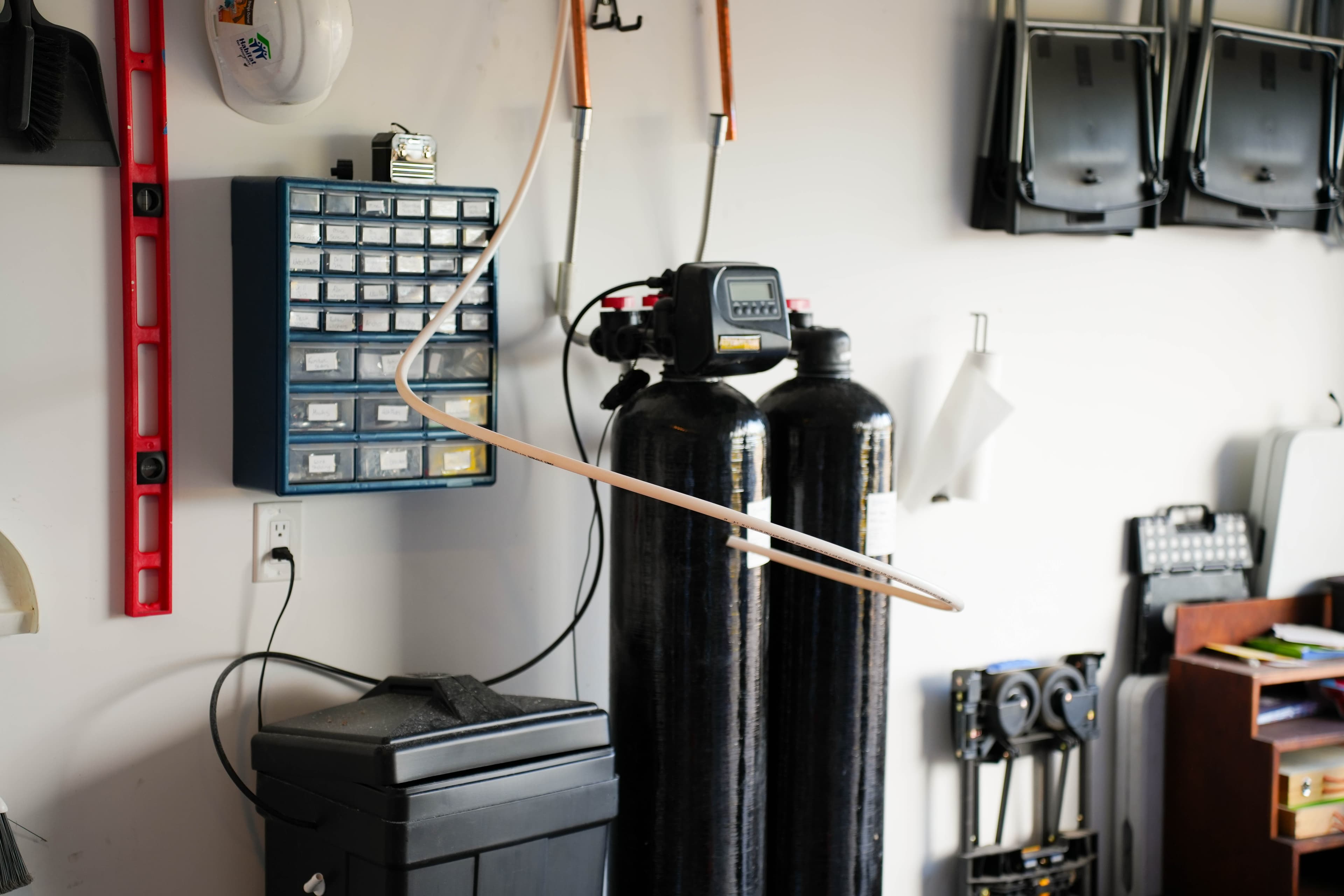
A whole-home water softener slows down scale damage to the supply system. Annual plumbing safety checks (included in the Basic Bones Plan) catch failing valves, hose bibs, and toilet components early. And know where your main shut-off is — being able to turn the water off in 30 seconds limits the damage when something does fail.

Got more questionsOr Want a Quote?

Schedule online or call. $89 service call, waived with any approved repair.

Call (623) 250-6492
CALL