Can high static pressure damage my AC?
Yes. It can stress blower motors, reduce airflow across the coil, increase run time, and contribute to comfort and reliability problems.
Static pressure tells you whether your HVAC system can breathe. Learn how high static pressure causes poor airflow, hot rooms, noise, and breakdowns.
QUICK ANSWER
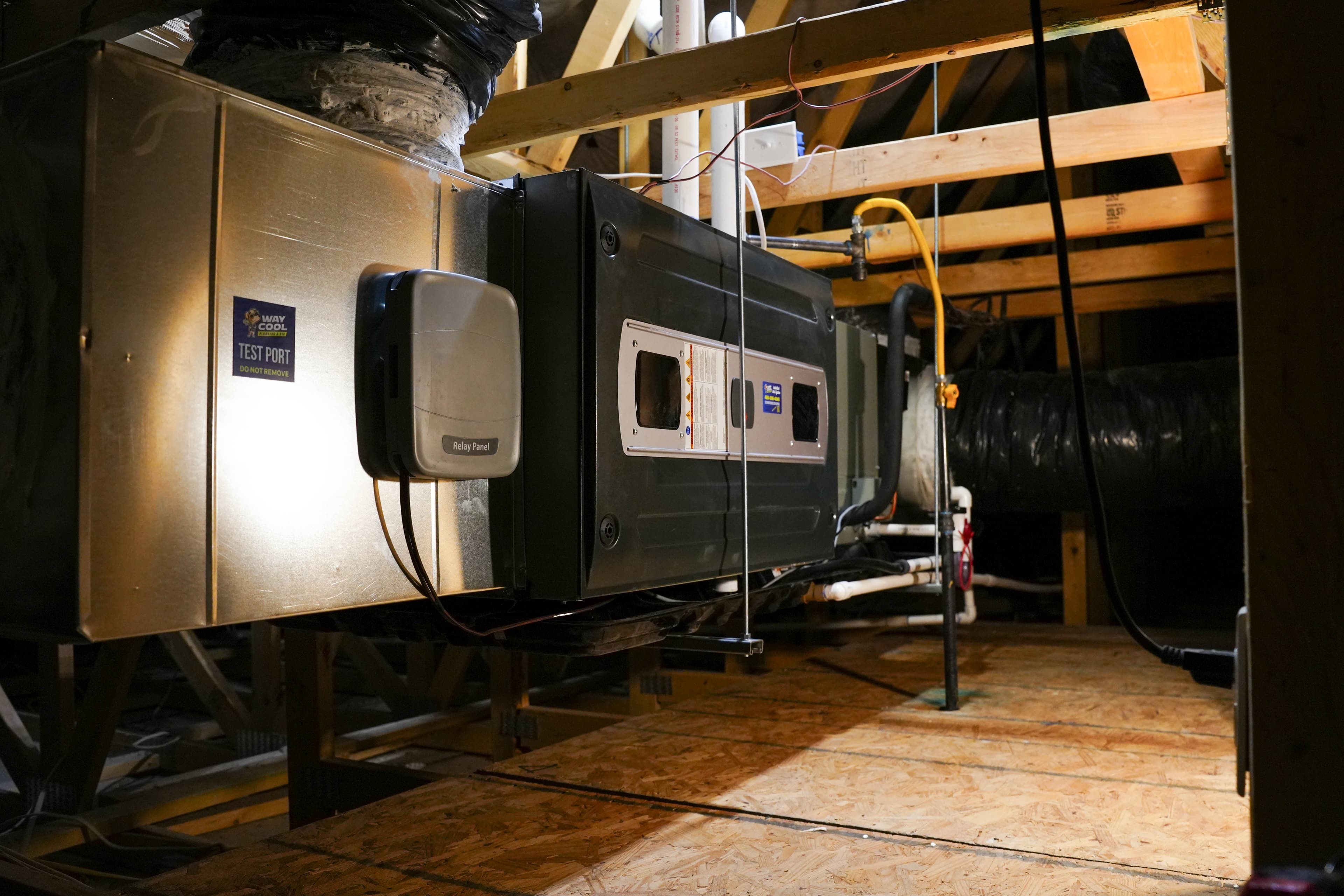
HVAC static pressure is the resistance to airflow inside the duct system. High static pressure means the blower is struggling to move air, often because of restrictive filters, undersized returns, dirty coils, cramped ductwork, or poor duct design.
Static pressure is the HVAC number most homeowners have never heard of, which is a shame because it can explain weak airflow, hot rooms, noisy returns, and blower motors that keep dying like they are in a tragic opera. Think of static pressure like blood pressure for your duct system. Too much resistance and the blower has to fight to move air.
Your AC must move the right amount of air across the indoor coil and through the ducts. If airflow is restricted, the system may run longer, freeze the coil, increase noise, short-cycle, or fail to cool distant rooms. Phoenix exposes airflow problems quickly because equipment operates under heavy heat for long periods.
A technician uses a manometer and pressure probes to measure pressure before and after key components. Those readings show whether the restriction is at the filter, coil, return, supply, or duct system. Static pressure is not a vibe. It is a measurement, which is nice because vibes are terrible diagnostic tools.
Solutions may include adding return-air capacity, replacing restrictive grilles, cleaning the coil, adjusting filter strategy, correcting duct restrictions, sealing ducts, balancing airflow, or redesigning sections of ductwork. The right fix should produce better readings after the work.
Yes. It can stress blower motors, reduce airflow across the coil, increase run time, and contribute to comfort and reliability problems.
Not always. Ask for it when there are hot rooms, weak airflow, noise, or repeated component failures.
Yes, if the filter is too restrictive for the system. Better filtration should be matched with enough return-air area.
Not if the duct system is the problem. New equipment can still underperform on bad ducts.
If your AC sounds like it is inhaling through a straw, schedule an airflow diagnostic with Way Cool Plumbing & Air.
Schedule online or call. $89 service call, waived with any approved repair.