Way Cool Plumbing & Air
← Blog·Home Performance·

Energy Efficiency Tips for Phoenix Homes — FAQs

What actually moves the needle on a Phoenix electric bill? We answer the most common questions homeowners ask us about cutting summer costs.

Energy Efficiency Tips for Phoenix Homes — FAQs

Phoenix electric bills can swing from $80 in February to $400+ in August. Most homeowners assume that's just "the way it is" — but a lot of that swing is fixable. Here's what actually moves the bill, in our experience auditing hundreds of Phoenix homes.

What's the single biggest energy waste in most Phoenix homes?

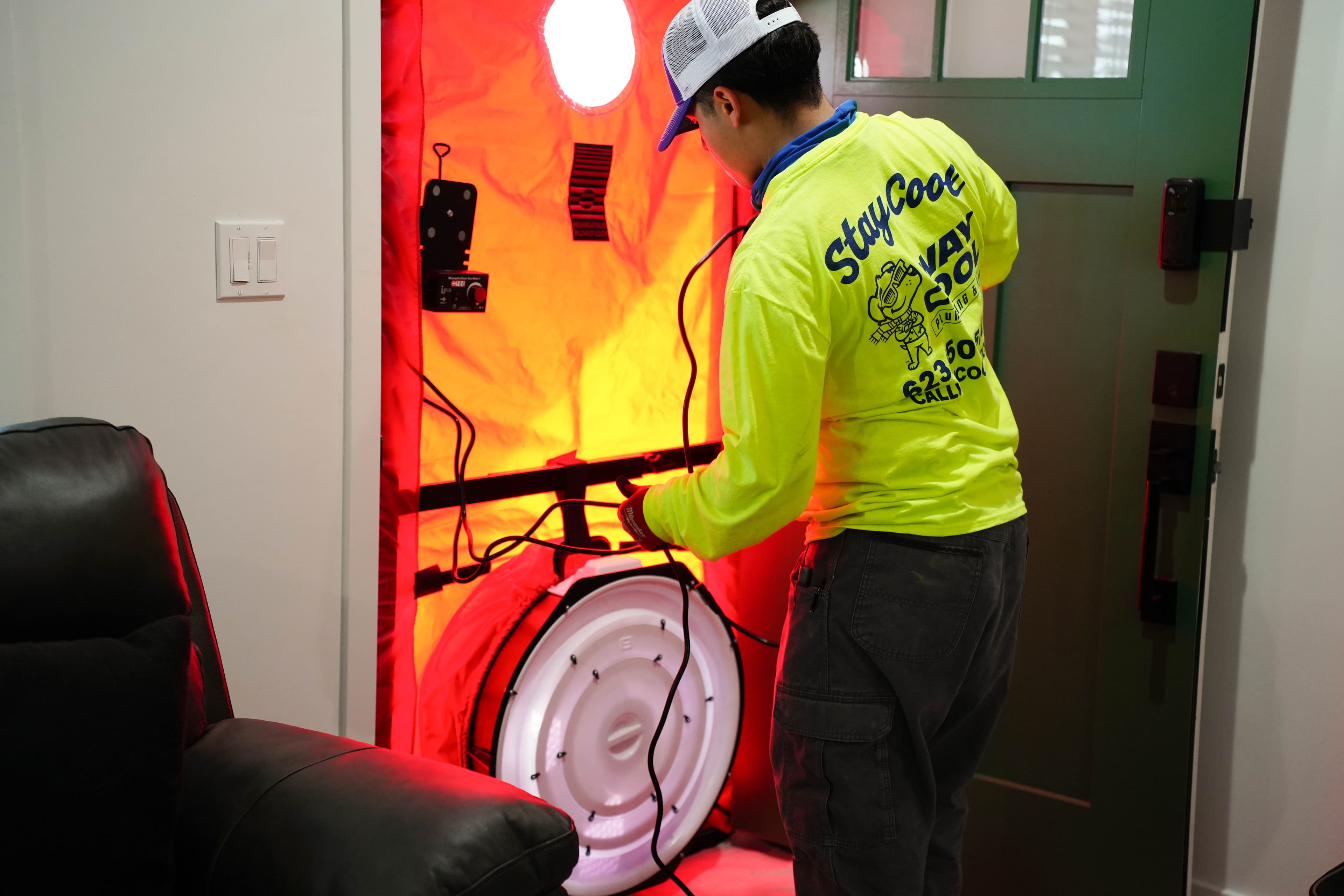
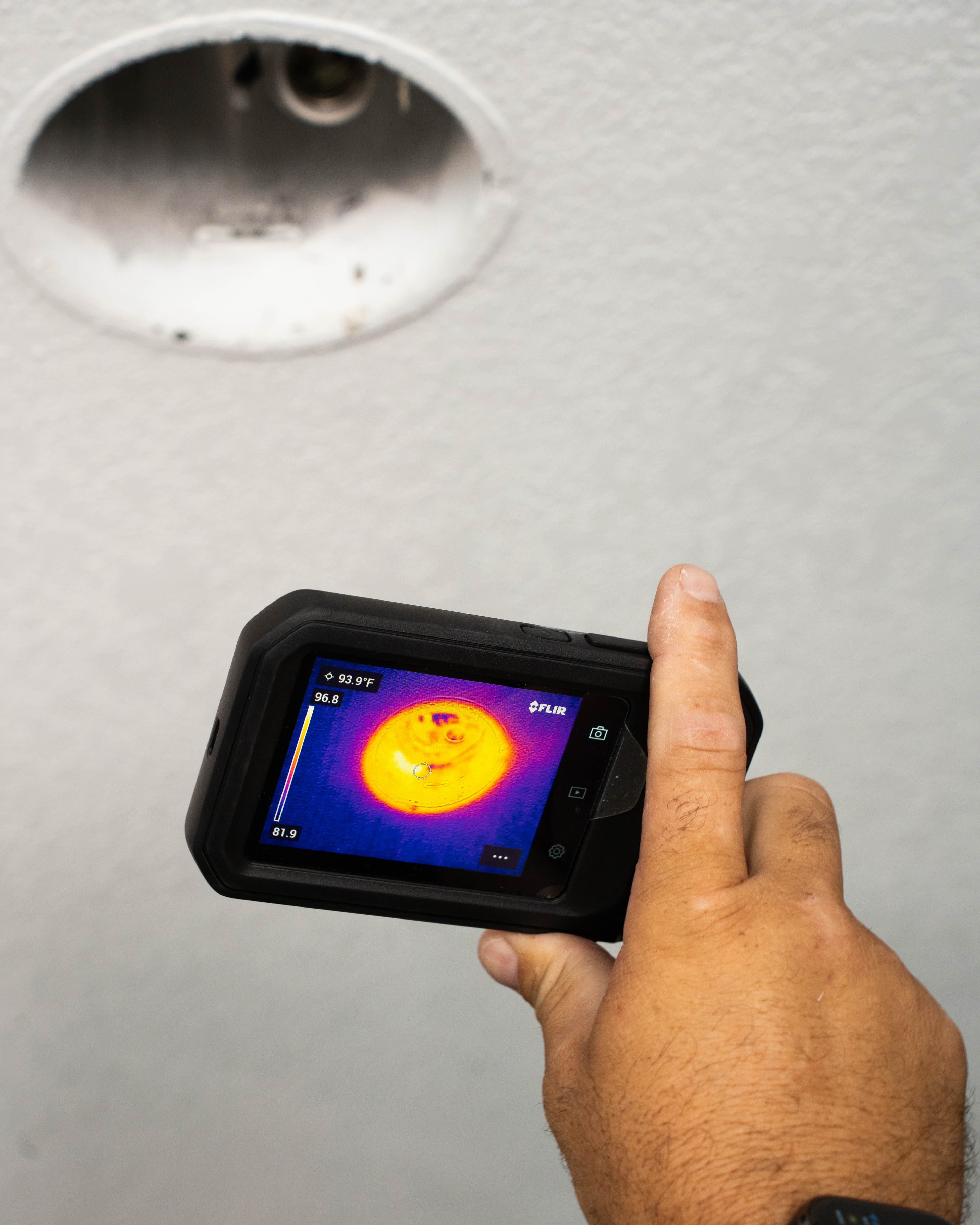
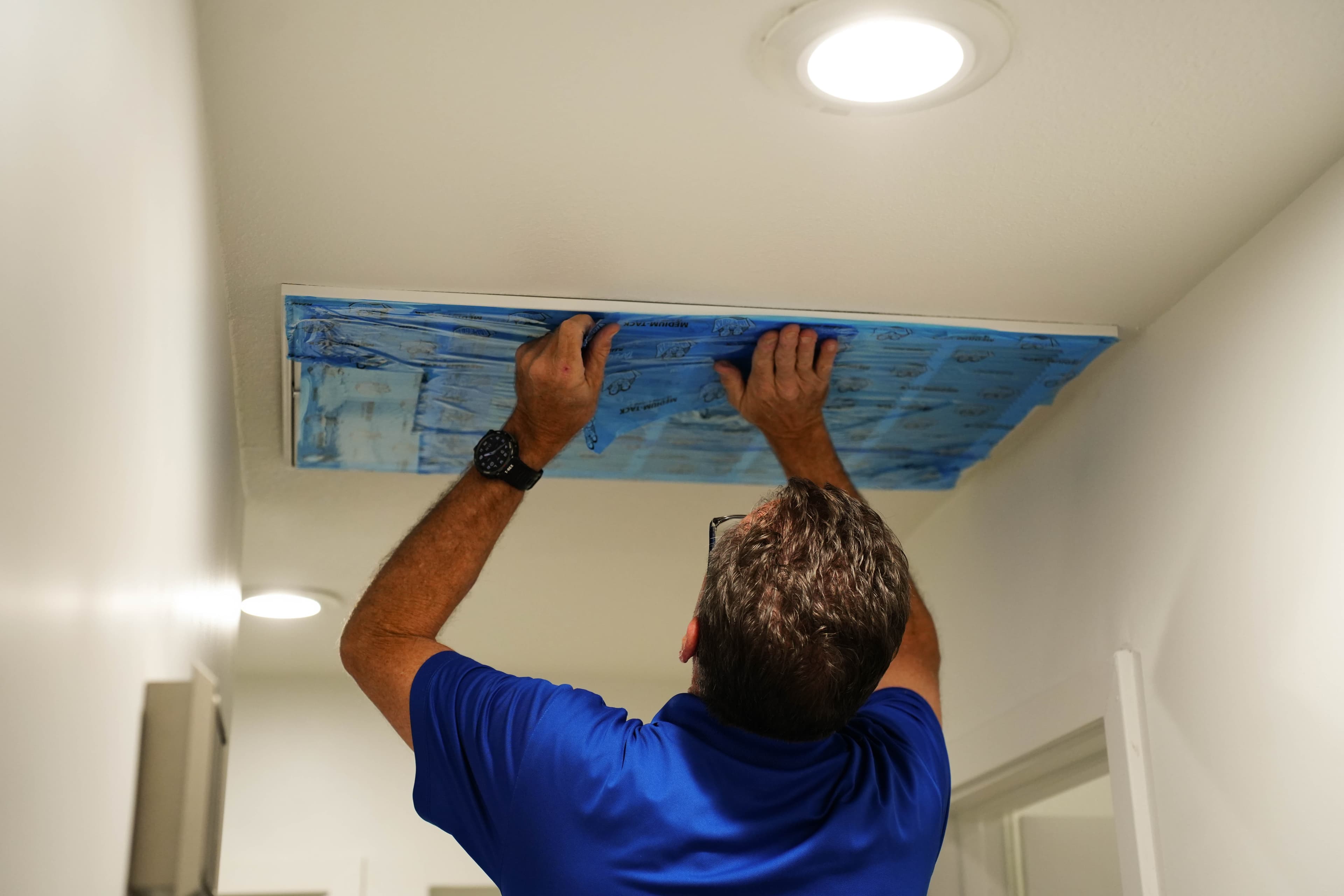
Duct leakage. In our blower-door and duct-leakage testing across Phoenix homes, we routinely measure 20–30% of conditioned air escaping through leaks in the duct system before it ever reaches a register. That means your AC is producing more cold air than your house actually uses — and you're paying for it. A duct-leakage test followed by sealing is one of the highest-ROI fixes in the Phoenix market.
Should I upgrade to a high-efficiency AC?

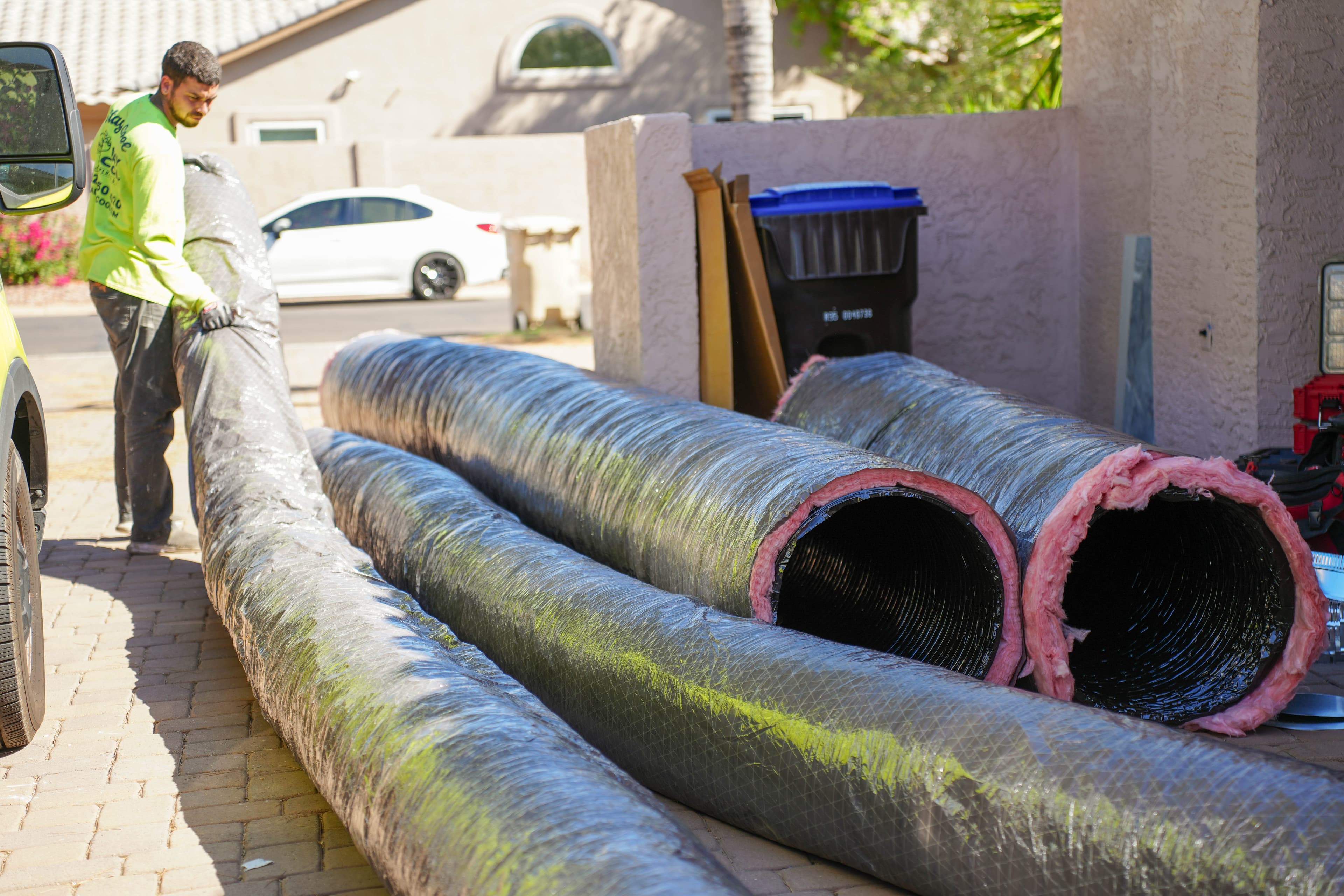
If your current system is over 12 years old and you're seeing repair bills creeping up, yes. Modern variable-speed (16+ SEER) systems can cut summer cooling costs by 30–40% compared to old single-stage 10-SEER equipment. The math gets even better when you stack APS/SRP rebates and the federal 25C tax credit.

Do smart thermostats actually save money?

Yes, when used correctly. A smart thermostat that learns your schedule and pre-cools the house on time-of-use rate plans (APS Saver Choice Plus, SRP TOU) can save 8–15% of annual cooling costs. The savings come from running the AC during off-peak hours when electricity is cheaper, not from running it less.

Is attic insulation worth the investment in Phoenix?

Almost always. Phoenix attics can hit 160°F in July, and what's above your ceiling matters more than what's outside your wall. Most homes built before 2005 have insulation that's settled to R-19 or less — code today is R-38. Top-offs typically pay back in 3–5 years through cooling cost reductions.

What about whole-house fans or evaporative coolers?

Whole-house fans work well in May and October when overnight temps drop. Evaporative coolers (swamp coolers) work in May and June before the monsoon humidity, but lose effectiveness July–September when the dew point climbs. Both can be useful as supplements but neither replaces a real AC system in Phoenix summer.

What's the easiest free thing I can do today?

Change your filter. Most Phoenix homeowners run filters too long, and a clogged filter robs 10–15% of system airflow which directly increases your bill and shortens equipment life. Set a phone reminder for every 60 days during cooling season.

Got more questionsOr Want a Quote?

Schedule online or call. $89 service call, waived with any approved repair.

Call (623) 250-6492
CALL