Why is my Phoenix house so dusty?
Dust can come from outdoor air, leaky ducts, poor filtration, attic air intrusion, pets, textiles, and pressure imbalances.
Phoenix dust, filtration, duct leakage, UV lights, and ventilation all affect indoor air quality. Learn which IAQ upgrades make sense.
QUICK ANSWER
Indoor air quality in Phoenix can be affected by dust, outdoor particles, duct leakage, poor filtration, low ventilation, humidity imbalance, and dirty HVAC components. Better filters, duct sealing, ventilation strategy, UV lights, and maintenance can all help when matched to the specific problem.
Phoenix dust has ambition. It wants to be on your furniture, in your returns, on your coils, and somehow inside the sealed cabinet you definitely closed last week. Indoor air quality is not one product. It is a system involving filtration, ductwork, source control, ventilation, humidity, equipment cleanliness, and the way the home is sealed.
Dust can come from outdoors, pets, textiles, remodeling, leaky ducts, dirty returns, poor filtration, and pressure imbalances. If return ducts leak in an attic, the HVAC system may pull dusty attic air into circulation. That is why changing the filter helps, but may not fully solve the problem.
A better filter can capture more particles, but the system must be able to handle it. Filters that are too restrictive can reduce airflow and increase static pressure. The right filter balances particle capture with airflow. Way Cool can check filter size, return design, and static pressure before recommending higher-efficiency filtration.
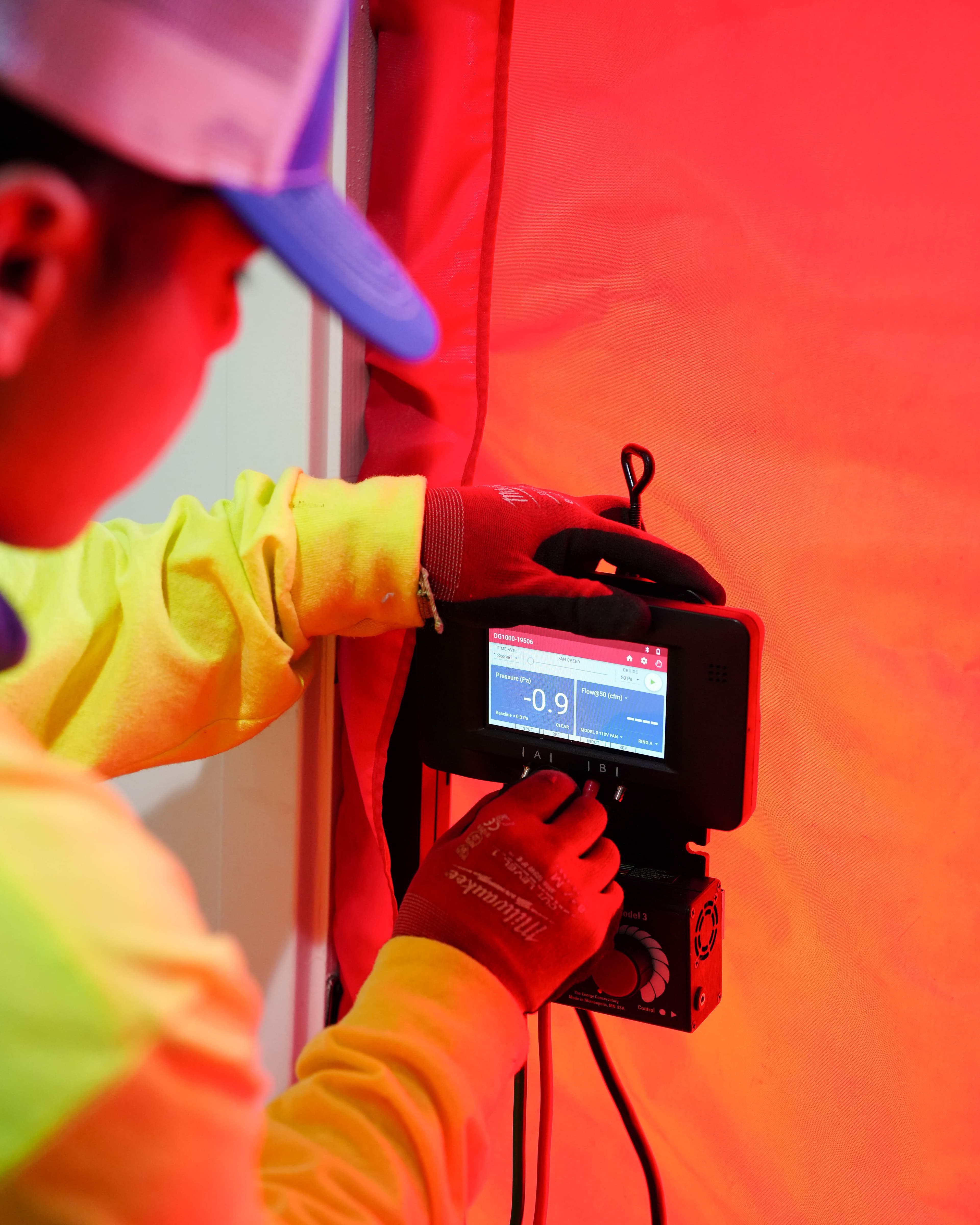
Leaky ducts can affect indoor air quality by pulling air from attics, wall cavities, garages, or other undesirable spaces. Duct sealing can reduce this pathway. This is one reason home performance and IAQ belong in the same conversation. Air does not care which department humans assigned it to.
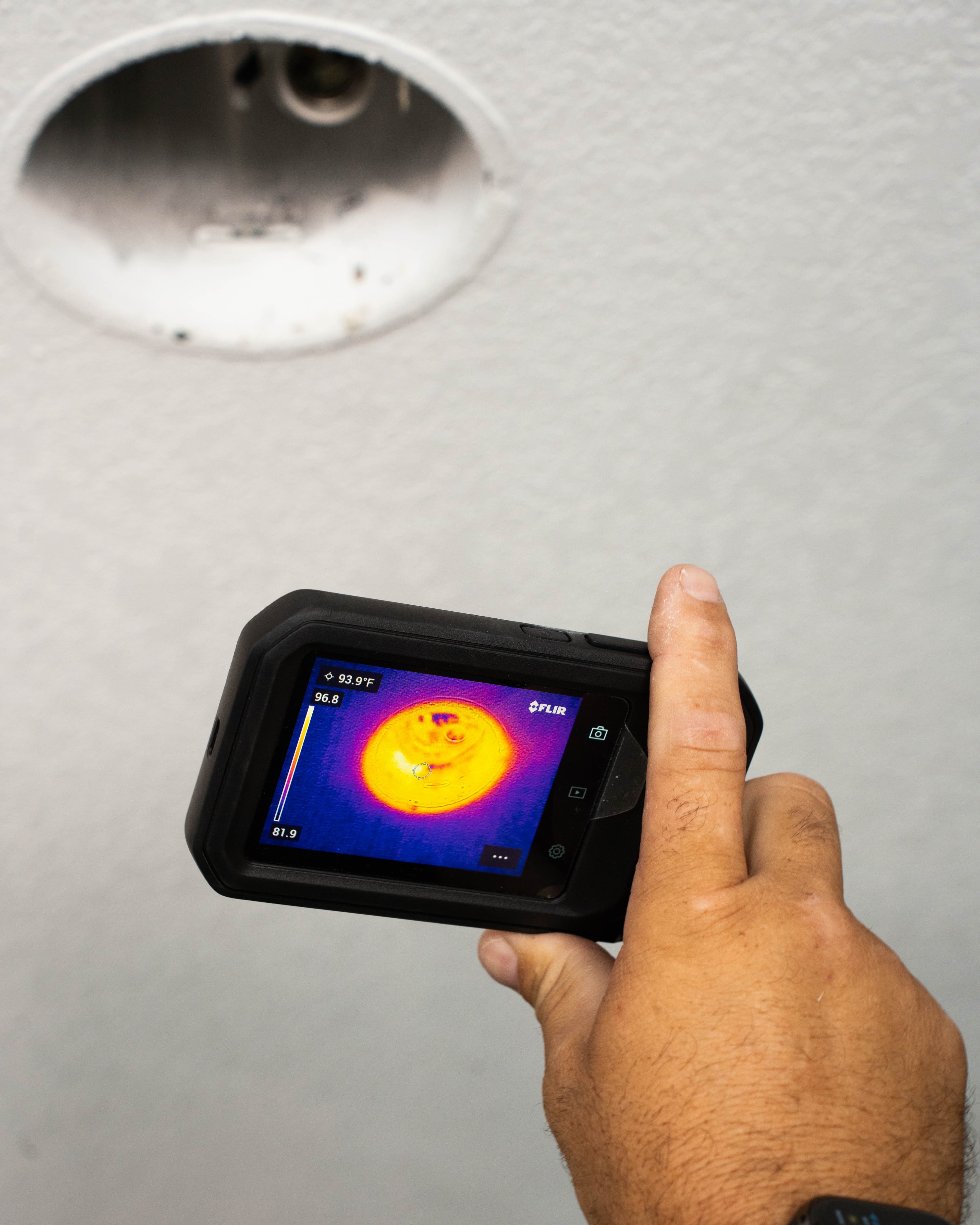
UV lights are often installed near indoor coils to help reduce biological growth on surfaces. They can support a cleaner coil environment when applied correctly. UV is not a substitute for filtration, duct sealing, ventilation, or source control. It is one tool, not a glowing wand of universal purification.
The EPA emphasizes source control, ventilation, and filtration as major strategies for reducing exposure to indoor pollutants. That means the best IAQ plan starts by identifying the source of the complaint. Cooking, cleaning products, candles, pets, building materials, attached garages, dust intrusion, and moisture problems can all affect air quality.
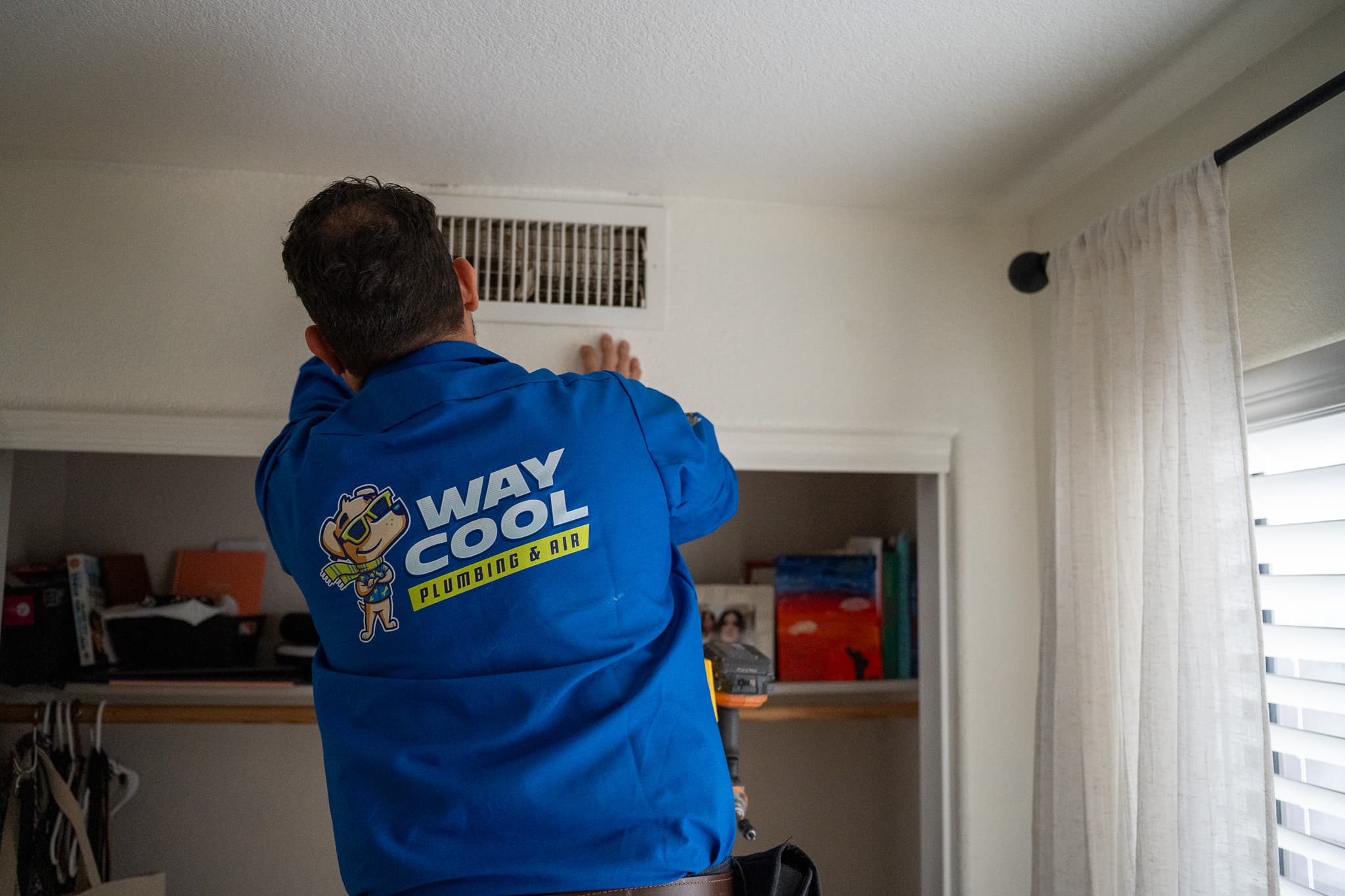
Way Cool can evaluate filters, ducts, static pressure, equipment cleanliness, air leakage, and homeowner concerns. The recommended solution may be maintenance, filtration upgrades, duct sealing, UV, ventilation changes, or a combination. The best IAQ plan solves the actual problem instead of selling a mystery box that makes blue lights.
Dust can come from outdoor air, leaky ducts, poor filtration, attic air intrusion, pets, textiles, and pressure imbalances.
It may help, but the HVAC system must be able to handle the filter without airflow problems. Duct leaks and source issues may also need attention.
UV lights can help keep coils cleaner when installed correctly, but they are not a substitute for filtration, duct sealing, or ventilation strategy.
If your home is dusty, stuffy, or hard to keep comfortable, ask Way Cool for an indoor air quality and home performance evaluation.
Schedule online or call. $89 service call, waived with any approved repair.