Way Cool Plumbing & Air
← Blog·Home Performance·

You Replaced the AC and That Room Is Still Hot. Here's Why.

New equipment, same hot bedroom. It's more common than you'd think in Phoenix — and it usually means the problem was never the air conditioner.

You Replaced the AC and That Room Is Still Hot. Here's Why.

QUICK ANSWER

If a room stays hot after an AC replacement, the equipment usually isn't the problem. A new system can only produce and move conditioned air — the house still has to hold that air and distribute it. Undersized ductwork, inadequate return capacity, low or uneven attic insulation, and envelope air leakage all survive an equipment swap untouched. A Home Performance Assessment measures those four things directly instead of guessing.

This is one of the more frustrating calls we take. Somebody spent real money on a new air conditioner in June, and by August the back bedroom is still running five degrees warmer than the living room. The equipment is brand new. The warranty is fine. The tech says the system is operating correctly — and the tech is right.

Here's the uncomfortable part: a new AC almost never fixes a hot room, because a hot room almost never comes from the AC.

The equipment did its job. The house didn't.

Your air conditioner has exactly two jobs — produce conditioned air, and hand it off to the duct system. That's the end of its responsibility. Everything after that belongs to the house: the ducts have to carry the air, the returns have to bring it back, the insulation has to keep attic heat out of the room, and the envelope has to keep the conditioned air inside.

Replace the AC and you've upgraded one link in that chain. The other four are exactly as old as they were the day before.

What a replacement quote doesn't look at

A replacement quote is a sizing and equipment conversation. It's about tonnage, efficiency, and what fits your budget. That's a legitimate conversation and we have it every day.

What it usually doesn't include is a static pressure reading, a duct leakage number, an attic insulation depth check, or a blower door test. None of those are part of installing a condenser. So a home can get a perfectly good new system installed on ductwork nobody measured — which is how a brand-new AC inherits every airflow problem the old one had.

The four things that outlive an AC replacement

Duct leakage. Builder-grade duct connections in a 140-degree Phoenix attic fail eventually. When they do, you're paying to cool the attic. We covered the numbers in duct leakage and what it costs a Phoenix home.

Return capacity. A bigger system needs more air moving back to it. A return that was marginal with the old equipment can become genuinely restrictive with the new one.

Attic insulation. If the insulation above that one bedroom is thinner than the rest of the house, that room has a bigger cooling load than its neighbors — regardless of how good the AC is. More on that in attic insulation and air sealing.

Envelope leakage. Recessed lights, attic hatches, plumbing penetrations, and top plates all let conditioned air out and attic air in, one small opening at a time.

Why turning the thermostat down doesn't fix it

The instinct is to drop the thermostat two degrees. That cools the room the thermostat is in — which was already comfortable — and runs the system longer to do it. The hot room stays proportionally hot, because the gap between the two rooms was never a thermostat problem. It was a load and airflow problem.

You end up with a higher APS or SRP bill and the same complaint. That's a bad trade.

What a Home Performance Assessment actually measures

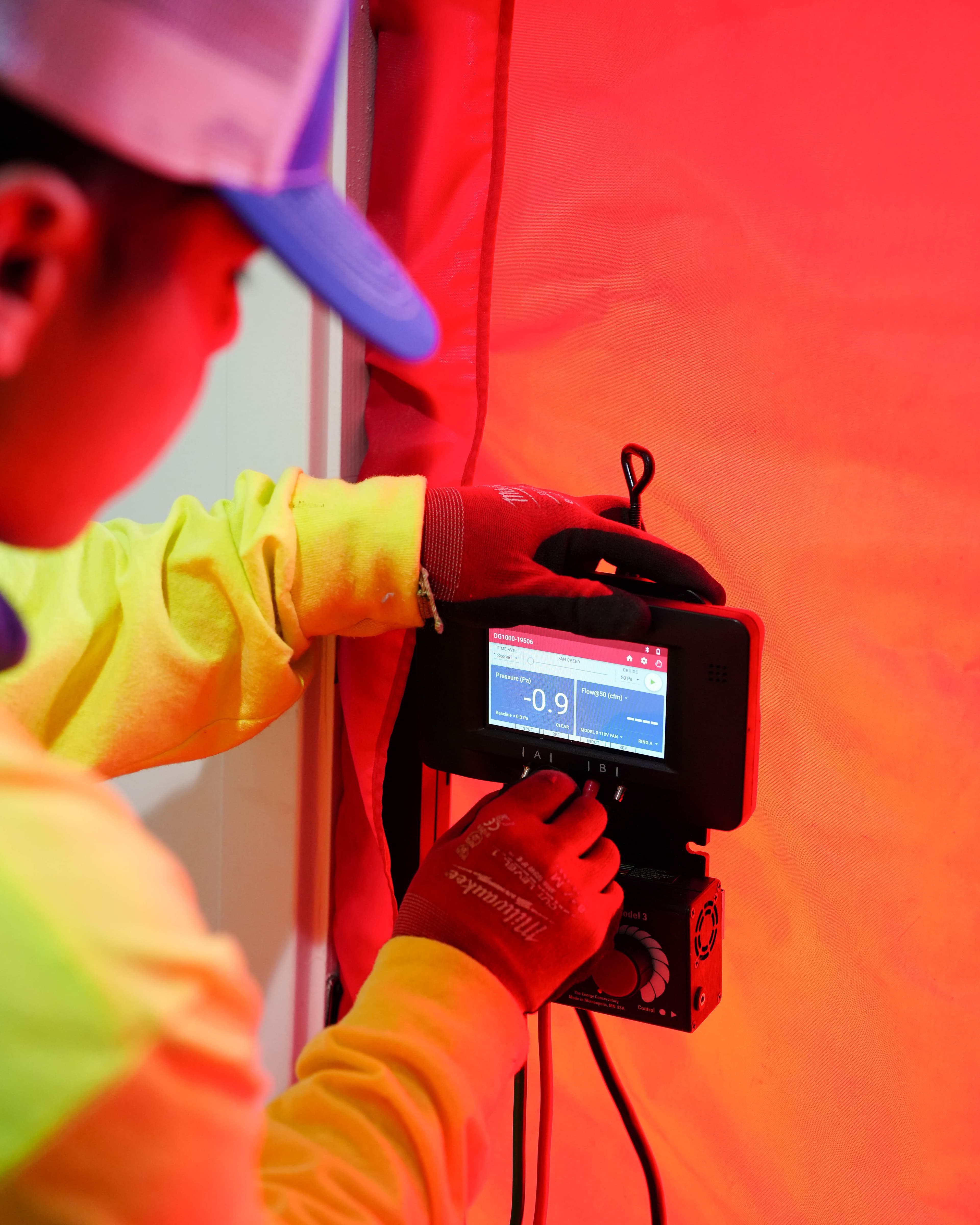
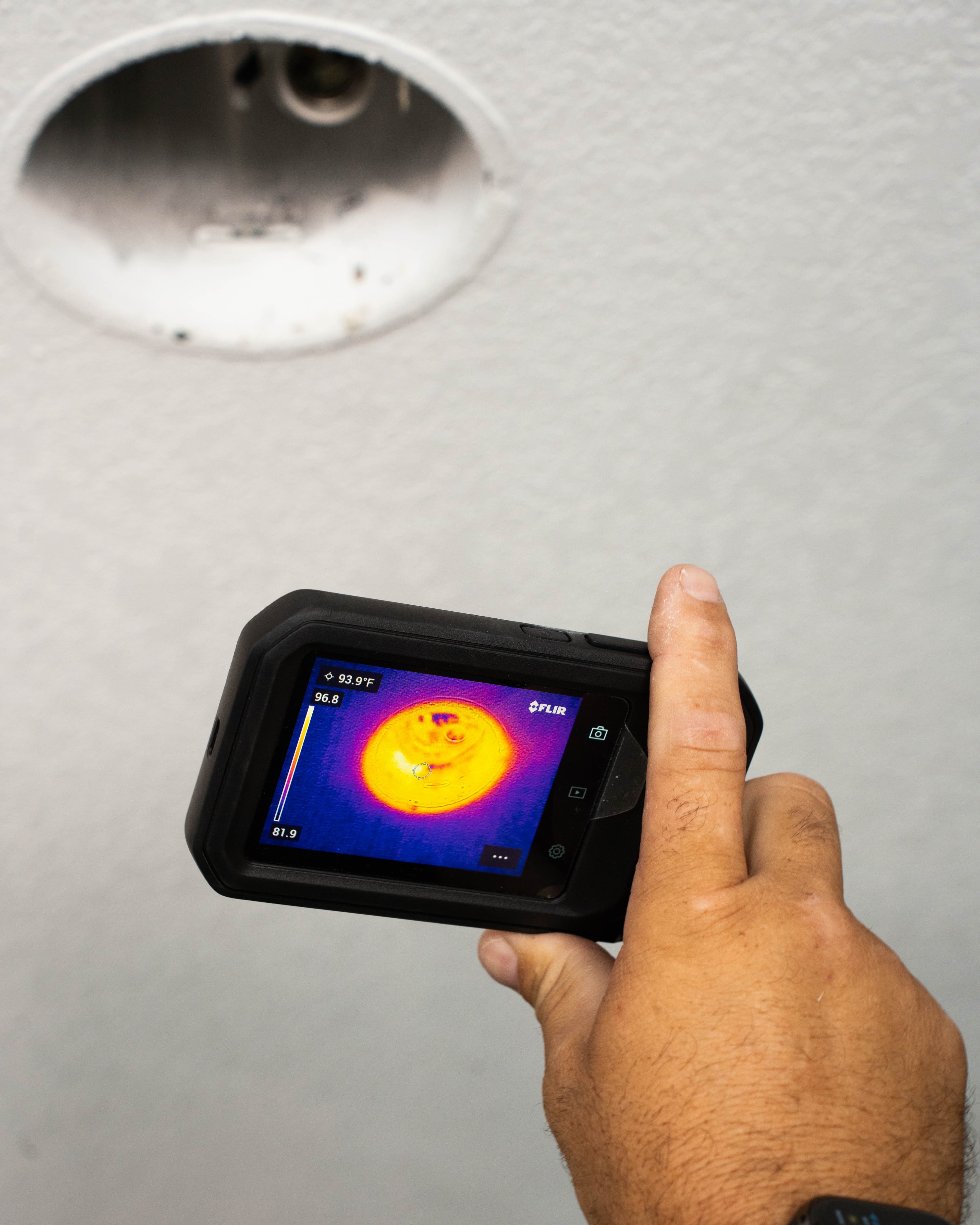
Josh and Ricky run our Home Performance side, and the assessment (you may know it as a home energy audit) is a measurement appointment, not a sales walkthrough. Blower door test for envelope leakage in CFM50. Duct pressurization for leakage to outside. Thermal imaging to find insulation gaps you can't see. Insulation depth and coverage. Static pressure across the system — the number we explain in static pressure explained.

You end up with numbers instead of theories, and a priority order. Sometimes the answer is duct sealing. Sometimes it's insulation. Sometimes it's a return. Occasionally it really is the equipment — but we'd rather find that out with a meter than a hunch.

It's free for first-time Way Cool customers, and where the work qualifies we file the APS and SRP rebate paperwork for you.

Frequently Asked Questions

I just replaced my AC. Why is one room still hot?

Because the new equipment replaced one part of the system. Duct sizing, duct leakage, return air capacity, attic insulation, and envelope leakage all carry over unchanged from the old setup. If any of those were the original cause, a new condenser won't touch them.

Shouldn't the installer have caught this?

A replacement quote is a sizing and equipment conversation — tonnage, efficiency, budget. Static pressure readings, duct leakage tests, and insulation checks aren't standard parts of installing a system. They're a separate diagnostic.

Would a bigger AC have solved it?

Usually not, and it can make things worse. Larger equipment needs to move more air. Putting it on ductwork that was already restrictive raises static pressure and can create new airflow problems on top of the original one.

Can I just add a vent to the hot room?

Sometimes it helps, but only if the room is genuinely short on airflow. If the real cause is thin insulation above that room, adding air treats the symptom while the room keeps gaining heat from the attic. Measuring first tells you which one you're dealing with.

What does a Home Performance Assessment include?

A blower door test for envelope leakage, duct pressurization for leakage to outside, thermal imaging, attic insulation depth and coverage inspection, utility bill analysis, and system airflow measurement — documented with photos in a written report. It's free for first-time Way Cool customers.

If you replaced the AC and the house still doesn't feel right, stop buying equipment and start measuring the house. Schedule a Home Performance Assessment with Way Cool Plumbing & Air or call (623) 250-6492. Stay Cool with Way Cool.

Got more questionsOr Want a Quote?

Schedule online or call. $89 service call, waived with any approved repair.

Call (623) 250-6492
CALL