Way Cool Plumbing & Air
← Blog·Home Performance·

Is Your HVAC System Getting Enough Return Air?

Supply gets all the attention. But if the return side can't bring enough air back to the equipment, the whole system suffers — even when the AC itself is working perfectly.

Is Your HVAC System Getting Enough Return Air?

QUICK ANSWER

An undersized return can restrict airflow through an HVAC system, raise static pressure, reduce comfort, create noise, and add strain to the blower. Return capacity depends on the return duct size, the free area of the grille, the filter, and the airflow the equipment actually requires — all four have to be evaluated together, not just the duct.

Almost every airflow conversation a homeowner has is about supply. Which vents blow hard, which room feels weak, whether to add a register. Fair enough — supply is the part you can feel with your hand.

The return side is the half nobody looks at, and it's where a surprising number of Phoenix comfort complaints actually live. Your system is a loop. If you restrict the way back, you've restricted the whole thing.

The system is a loop, not a fan

Supply ducts push conditioned air into the house. Return ducts bring that same air back to the equipment to be conditioned again. Those two sides have to be balanced.

If you try to move a large volume of air out while restricting how much can come back, the blower ends up working against itself. It's the difference between breathing normally and breathing through a straw — you can technically do it, but nothing about it goes well.

New equipment can outgrow an old return

Here's the one that catches people. As system capacity increases, the airflow the equipment needs generally increases with it.

A return that was adequate for a 3-ton system from 2004 can become genuinely restrictive behind a larger or higher-efficiency replacement — especially if nobody evaluated the ductwork during the swap. Connecting a new AC to old ducts doesn't make the old ducts appropriate for the new AC. That's part of why a room can stay hot after a replacement, which we get into in you replaced the AC and that room is still hot.

The grille counts, not just the duct

You can have a properly sized return duct feeding a grille that doesn't have enough free area for the airflow the system needs. Add a filter — which is more resistance by design — and now the system is pulling everything it needs through an opening that isn't big enough for the job.

What that tends to look and sound like in a Phoenix home:

  • Loud return-air noise or whistling
  • Weak supply airflow at the far registers
  • Hot or cold rooms that don't respond to thermostat changes
  • Long runtimes in July and August
  • The filter getting sucked tight against the grille
  • Elevated static pressure across the system

None of those are solved by dropping the thermostat another two degrees, though people try.

Why some homes need a second return

Depending on layout and equipment requirements, adding a second return can give air a better path back — particularly in homes where the only return sits in a central hallway.

It also helps with a problem most homeowners have felt without naming: bedrooms that pressurize when the door closes. Supply air keeps coming in, but with the door shut there's no easy path back to the return, so the room pressurizes and airflow drops. Air shouldn't have to fight its way home.

Measure it, don't guess at it

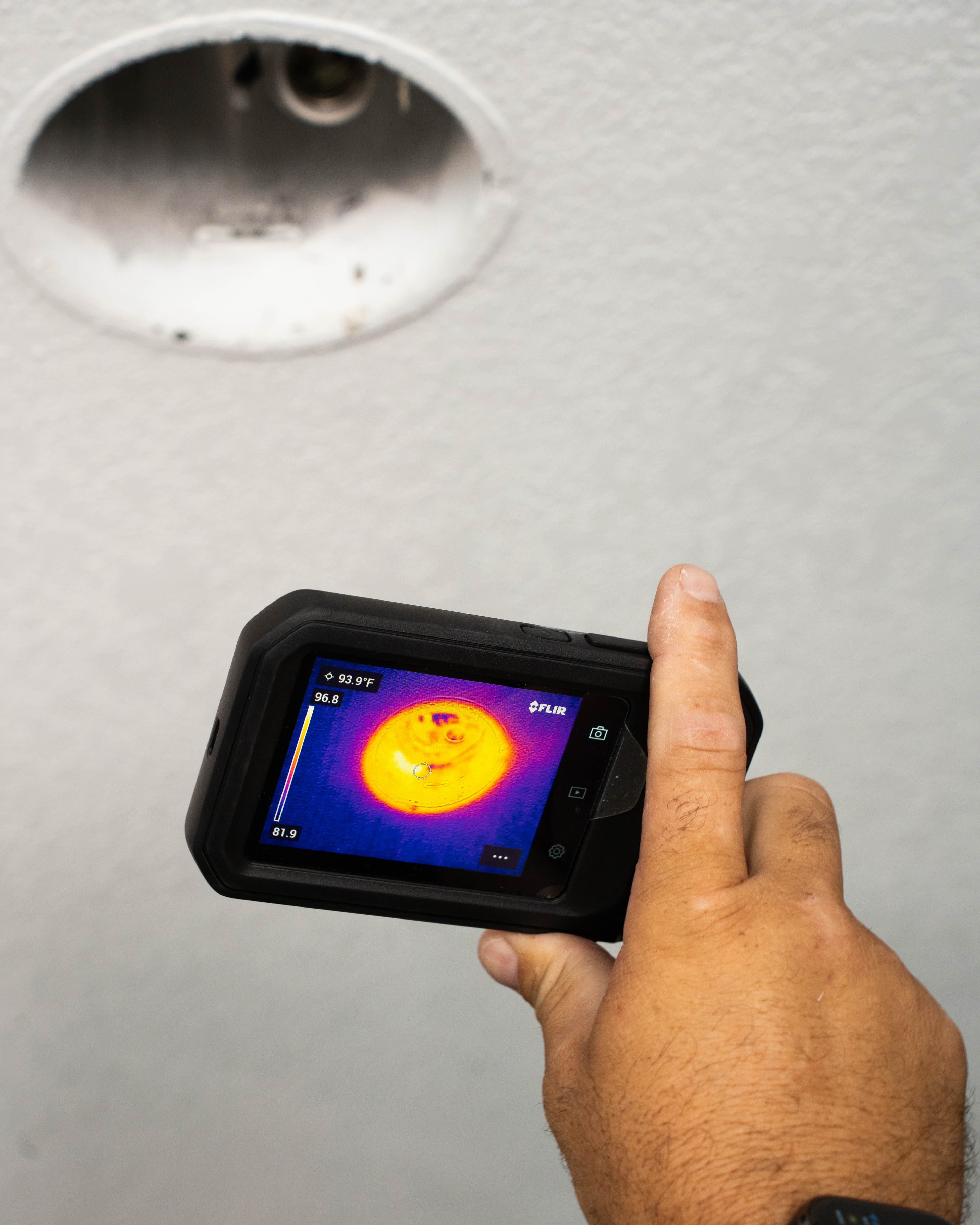
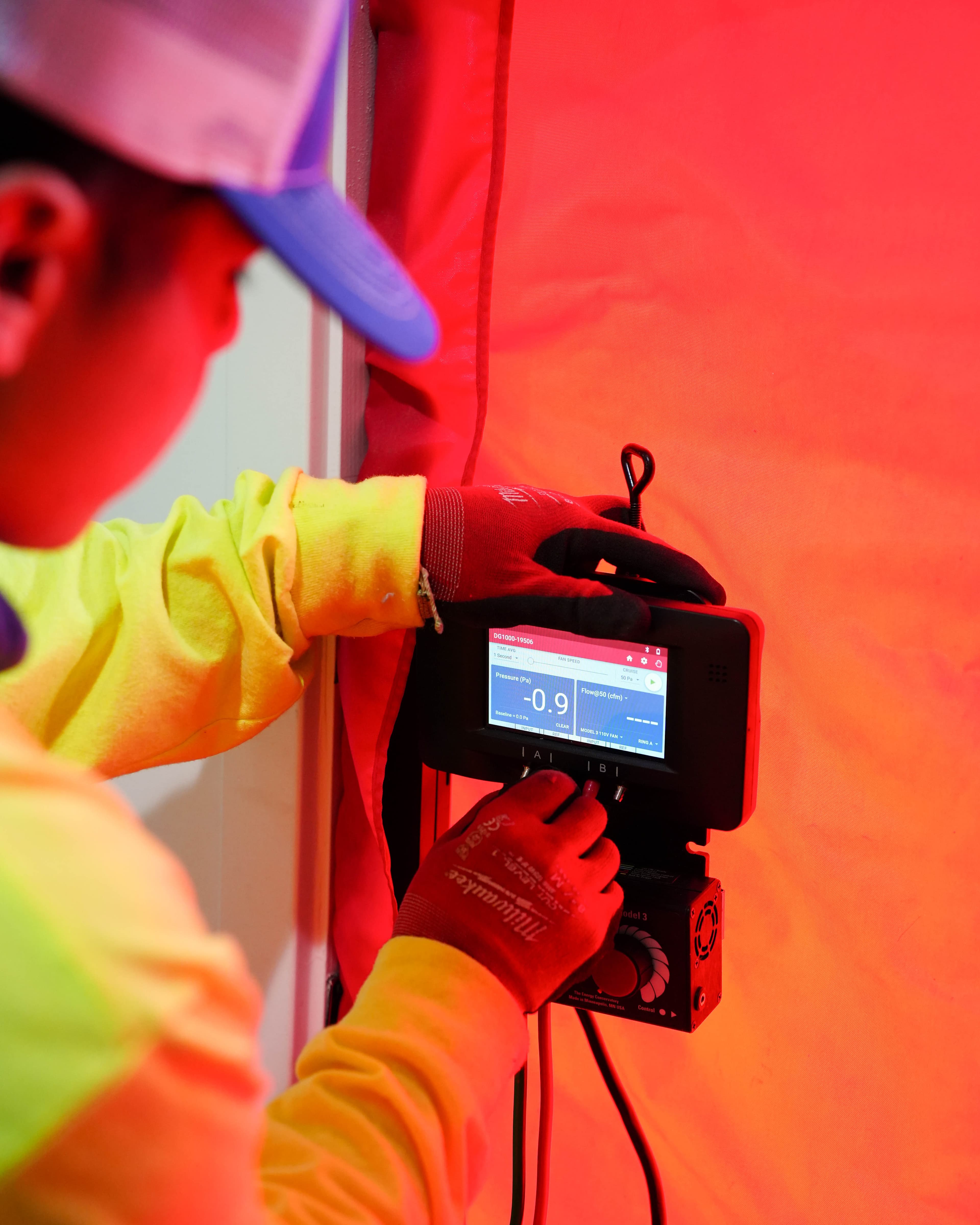
The honest reason we test instead of eyeballing: putting a hand over a vent and saying "feels pretty good" tells you almost nothing. Static pressure gives us an actual number for how much resistance the blower is fighting, and it's the fastest way to separate a return problem from a duct problem from an equipment problem. We break that number down in static pressure explained.

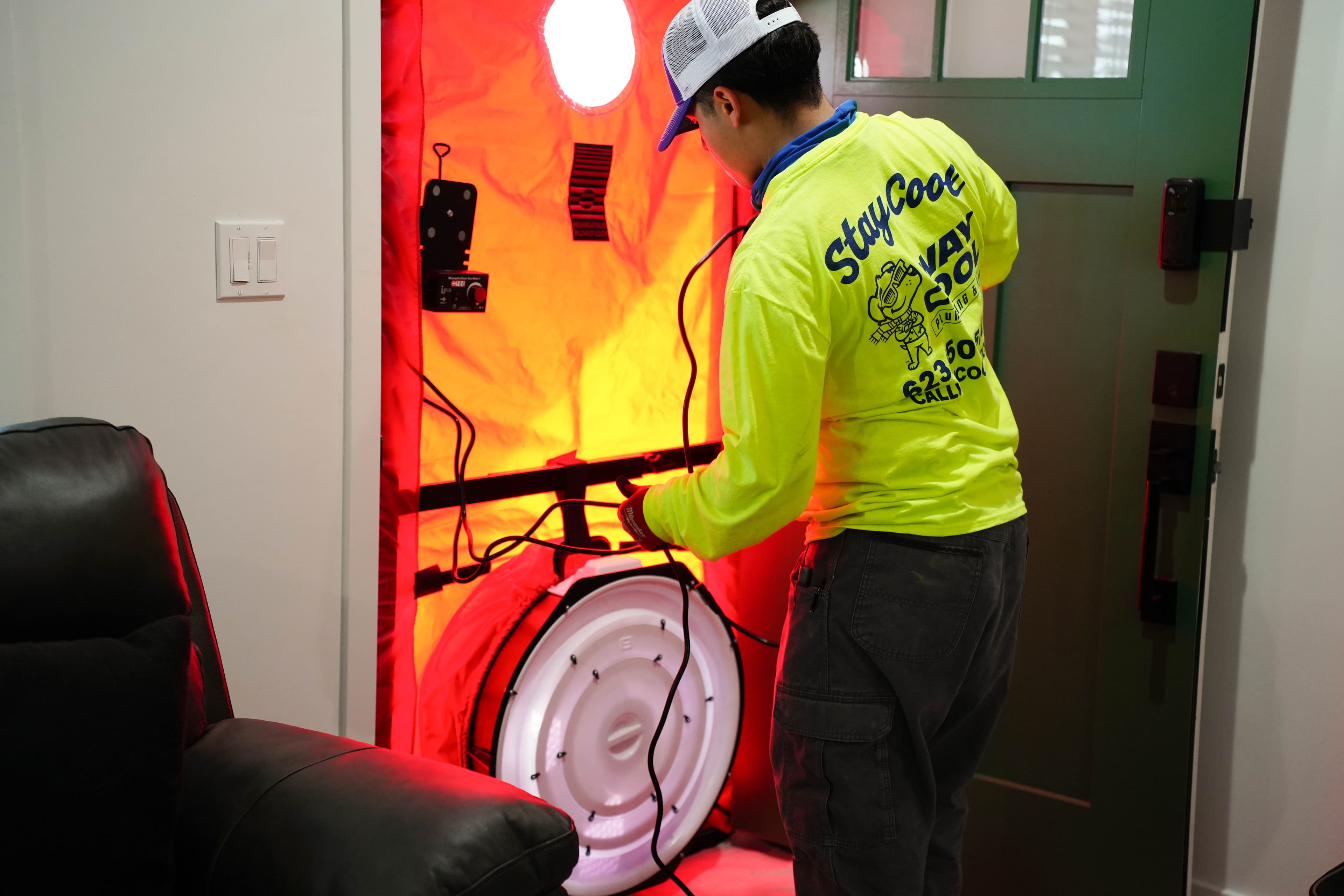
Return sizing gets evaluated during a Home Performance Assessment alongside duct leakage, insulation, and envelope testing — because in practice these problems show up in combinations, not one at a time.

Frequently Asked Questions

Can an undersized return damage my AC?

Severe airflow restriction increases stress on the system and can contribute to performance and equipment problems over time. It's not usually a sudden failure — it's a system working harder than it was designed to, year after year, in a climate that already runs it hard.
Will adding another return make my house cooler?

It can, when inadequate return capacity is part of the problem. But testing should determine the actual cause first. Adding a return to a system whose real issue is duct leakage or thin insulation is money spent on the wrong thing.

How do I know if my return is big enough?

Four things have to be considered together: return duct size, grille free area, filter resistance, and the airflow your specific equipment requires. Static pressure measurement ties them together. Any one of those in isolation can look fine while the system is still restricted.

Why is my return grille so loud?

Noise and whistling at a return grille usually mean air is moving through an opening that's too small for the volume the system needs. It's one of the more audible symptoms of a restriction — the system is effectively telling you it can't breathe.

My bedroom gets stuffy when the door is closed. Is that related?

Often, yes. With the door shut, supply air keeps entering but has no easy path back to the return, so the room pressurizes and airflow drops. Transfer grilles, door undercuts, or an added return can give that air a way back.

If your AC sounds like it's working hard but the airflow doesn't match the effort, the return side is worth measuring. Schedule a Home Performance Assessment — our home energy audit — with Way Cool Plumbing & Air, or call (623) 250-6492. Stay Cool with Way Cool.

Got more questionsOr Want a Quote?

Schedule online or call. $89 service call, waived with any approved repair.

Call (623) 250-6492
CALL