Way Cool Plumbing & Air
← Blog·Plumbing·

What a Whole-Home Plumbing Safety Check Actually Finds

Most plumbing disasters don't start as disasters. They start as a corroded valve or a slow leak nobody noticed for eight months. Here's what we look at, and why.

What a Whole-Home Plumbing Safety Check Actually Finds

QUICK ANSWER

A whole-home plumbing safety check evaluates accessible fixtures, shutoff valves, supply lines, drains, toilets, faucets, hose bibs, water pressure, water purity, gas connections, and water heater condition for signs of leakage, corrosion, wear, or improper operation. Finding those problems while they're small is what keeps them from becoming water damage and emergency repairs.

A tiny leak under a sink doesn't feel urgent. Neither does a toilet that runs for a few seconds every couple of hours, or a little corrosion around a water heater fitting.

Plumbing problems have a habit of getting more interesting with age, though, and usually not in a way homeowners appreciate. The point of an inspection is to find them while they're still boring.

Water pressure tells you more than you'd expect

Pressure that's too high puts constant stress on everything downstream of it — supply lines, faucet cartridges, valves, toilet fill valves, the water heater. It's the kind of problem that doesn't announce itself until something fails, and then it fails again somewhere else six months later.

Low pressure points at a different set of concerns. Either way, a pressure reading is a fast, useful snapshot of how the system is operating, and it's one of the first things checked. If you're already dealing with weak pressure, we go through the causes in low water pressure.

The water heater deserves more attention than it gets

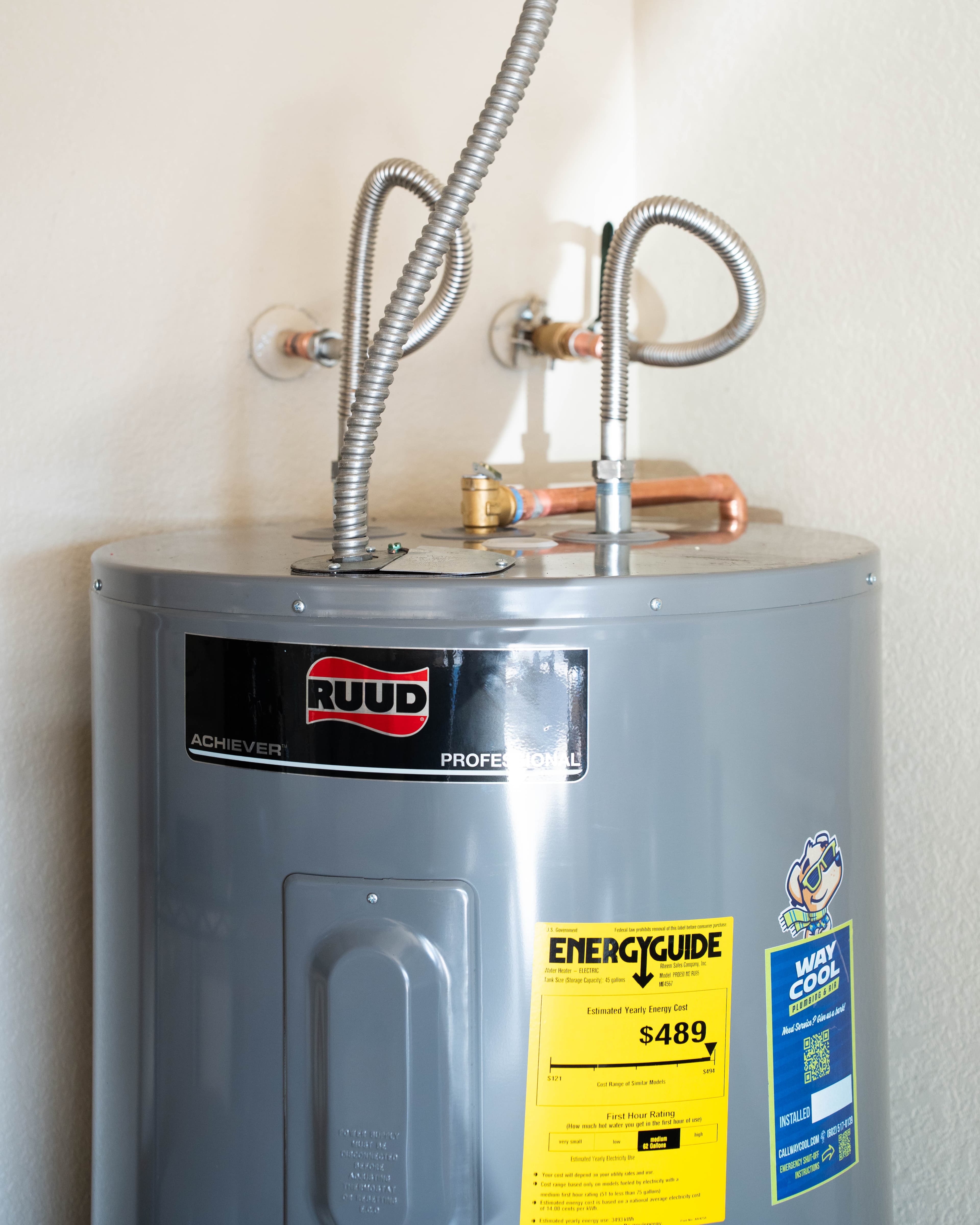
Water heaters sit quietly in a garage or utility space until the day they don't. During the check we're looking at corrosion, leaking connections, mineral buildup, rust, valve condition, installation conditions, and general age of components — plus the pressure relief valve and, where it's accessible, the anode rod.

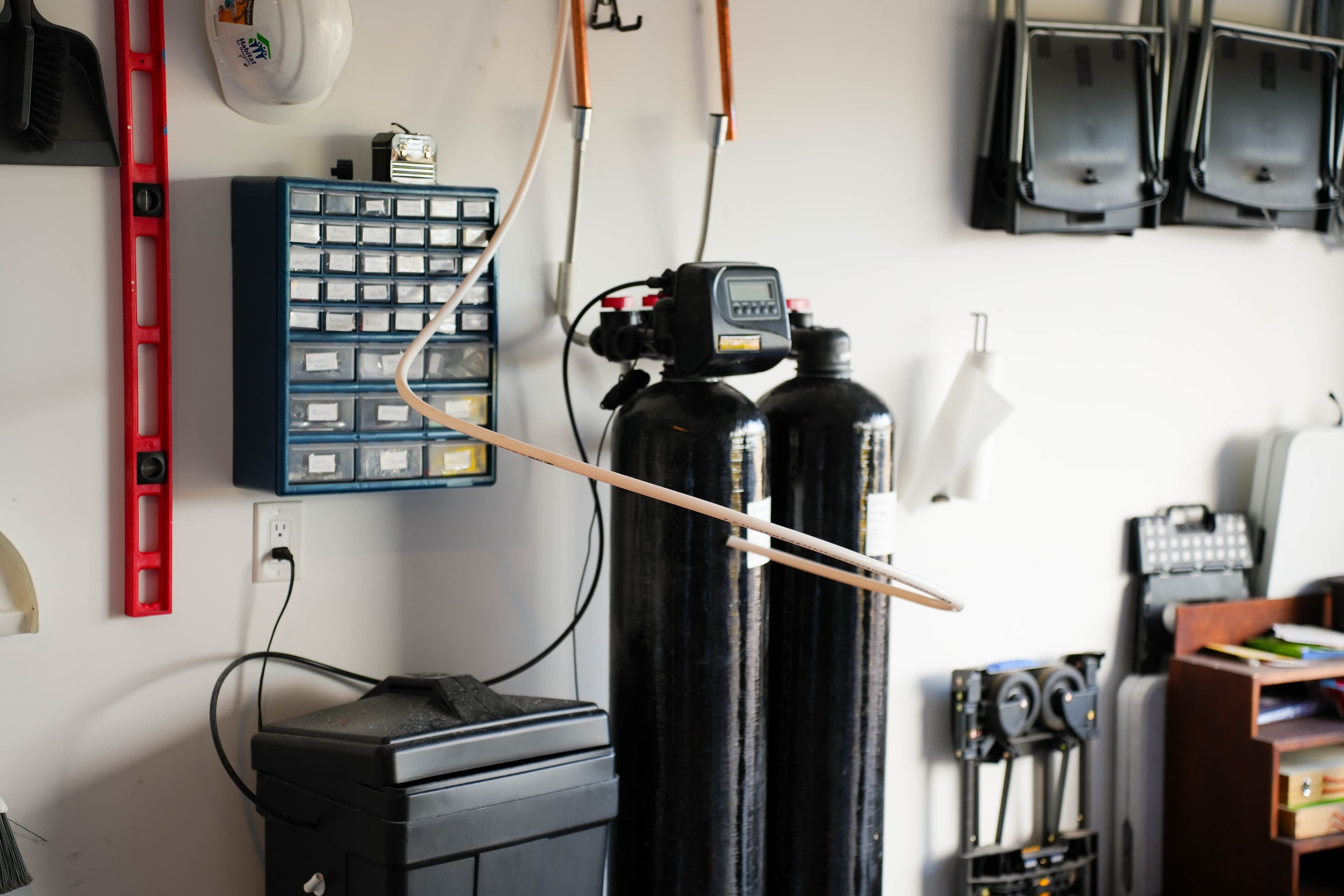
On eligible tank heaters, flushing addresses sediment accumulation. That matters more here than most places: Phoenix hard water means sediment builds faster, which is the same reason we test water in the first place. Related reading on lifespan is in how long a water heater lasts in Arizona.

Toilets and faucets waste water quietly

Not every leak makes a puddle. A toilet can leak through the flapper into the bowl continuously and waste a serious amount of water without ever making a sound you'd notice. Faucets and valves develop small drips that homeowners genuinely stop seeing after a few months — the brain edits them out.

Those add up on a water bill in a way that's invisible until someone looks at the fixtures deliberately. That's most of what an inspection is: a fresh set of eyes on things you've stopped noticing.

Supply lines and shutoff valves are the boring heroes

The braided lines and angle stops connecting toilets, sinks, and appliances are not interesting components. They're also a common failure point, and when one lets go it does so at full line pressure while you're at work.

We check accessible supply connections, washing machine hoses, dishwasher and disposal connections, and shutoff valves for corrosion, wear, and visible leakage. Gas line connections get a leak inspection too.

One more thing, and it's free: know where your main water shutoff is and make sure it actually turns. The middle of an emergency is a bad time to discover the valve is seized. If yours is stuck, that's worth fixing on a calm Tuesday.

The real product is knowing

Sometimes everything looks good. Sometimes the water heater is aging but doesn't need replacement yet. Sometimes there are two small repairs worth handling now, or one thing that deserves attention this week.

Any of those outcomes beats being surprised. The safety check is part of our Basic Bones Maintenance Plan — one visit a year covering the plumbing side, alongside the spring and fall HVAC visits. It's the same reasoning behind maintaining anything else in the house: planned beats emergency, every time.

Frequently Asked Questions

How often should I have my plumbing inspected?

Annually is a reasonable cadence for monitoring aging components, water pressure, water heater condition, fixtures, and developing leaks. That's why the plumbing safety check is a once-a-year visit on the Basic Bones Plan.

What's included in Way Cool's Whole-Home Plumbing Safety Check?

Water heater flush where eligible, inspection of faucets, showers, toilets, drains and hose bibs, washing machine and dishwasher connections, gas line leak inspection, water pressure and purity testing, anode rod inspection where accessible, sump pump inspection, and pressure relief valve inspection.

Can a plumbing inspection find hidden leaks?

It can identify signs that suggest leakage — pressure irregularities, moisture, corrosion, unexplained usage. Concealed leaks under slab or inside walls typically require dedicated leak-detection equipment as a separate step.

Why inspect plumbing if nothing seems wrong?

Because most plumbing problems develop gradually and stay below the threshold you'd notice until they don't. Catching them early reduces the risk of water damage and the cost of an emergency call.

Is high water pressure actually a problem?

Yes. Excessive pressure puts continuous stress on supply lines, faucets, valves, toilets, and the water heater, which shortens their life and causes repeat failures. It's straightforward to measure and usually straightforward to correct.

You don't have to wait for a leak to call a plumber. The Whole-Home Plumbing Safety Check is included in Way Cool's Basic Bones Maintenance Plan, alongside the spring and fall HVAC visits. See what's covered, or call (623) 250-6492. Stay Cool with Way Cool.

Got more questionsOr Want a Quote?

Schedule online or call. $89 service call, waived with any approved repair.

Call (623) 250-6492
CALL