Is Phoenix water hard?
Yes. Phoenix water is generally hard because it contains dissolved minerals such as calcium and magnesium.
Phoenix hard water can leave scale, shorten fixture life, and reduce water heater performance. Learn what it means and what homeowners can do.
QUICK ANSWER
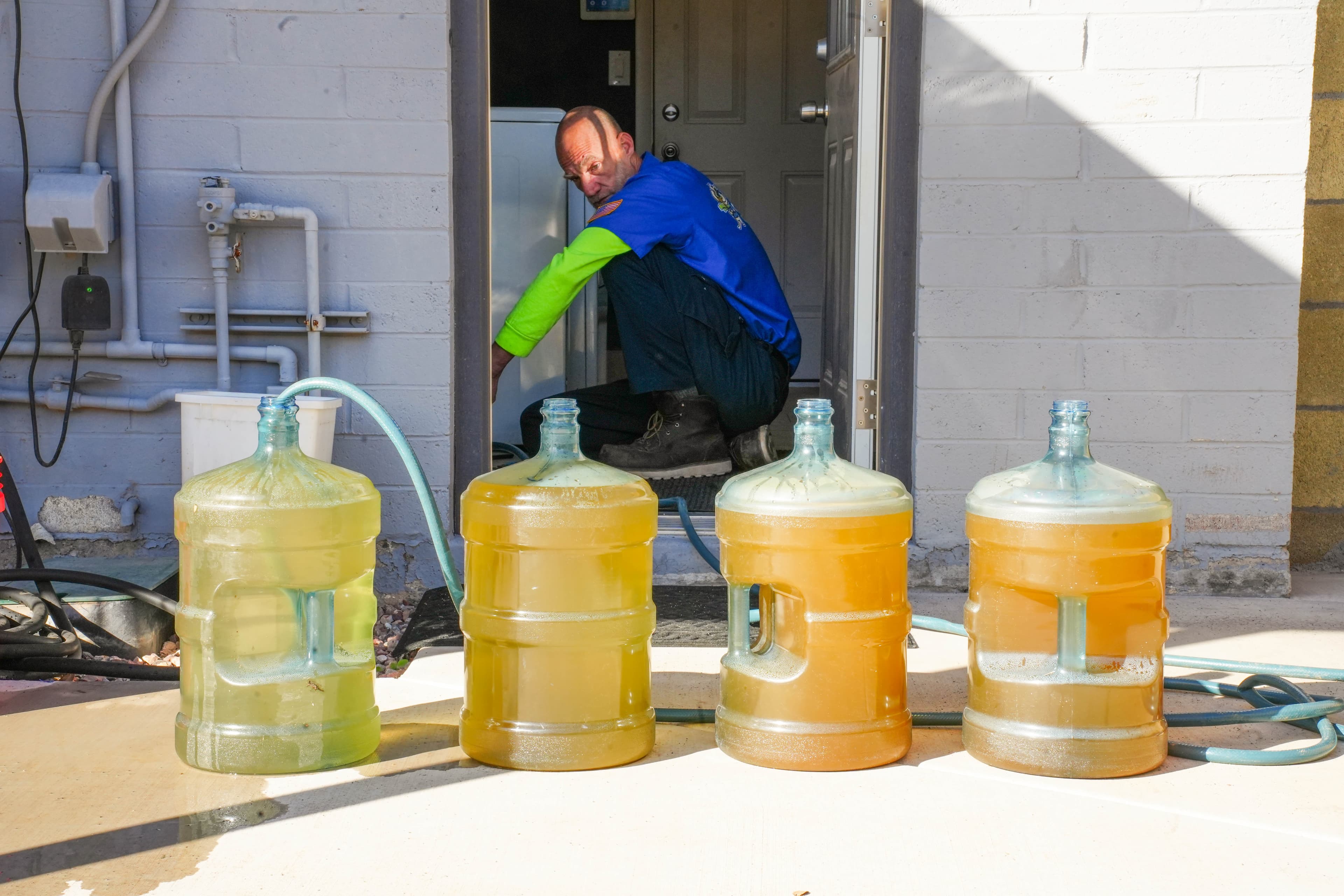
Phoenix water is commonly considered hard because it contains dissolved minerals such as calcium and magnesium. Hard water can leave white scale, reduce water heater efficiency, clog fixtures, shorten appliance life, and make cleaning harder. Water testing and treatment can help protect plumbing and improve daily comfort.
Phoenix water has a reputation. Not a glamorous reputation, like jazz or architecture. More like the reputation of leaving white crust on faucets and making your shower glass look like it lost a fight with a chalkboard.
Hard water is common in Arizona because water picks up minerals as it moves through the environment and supply system. Those minerals are not usually a health panic, but they can be rough on plumbing, fixtures, water heaters, and appliances.
Hard water contains dissolved minerals, mainly calcium and magnesium. The more minerals present, the harder the water. Homeowners usually notice hard water through scale buildup, spots on dishes, dull laundry, dry-feeling skin, and soap that does not lather well. The City of Phoenix water quality reporting has shown total hardness in ranges that homeowners would recognize as hard. That helps explain why scale buildup is so common in Valley homes.
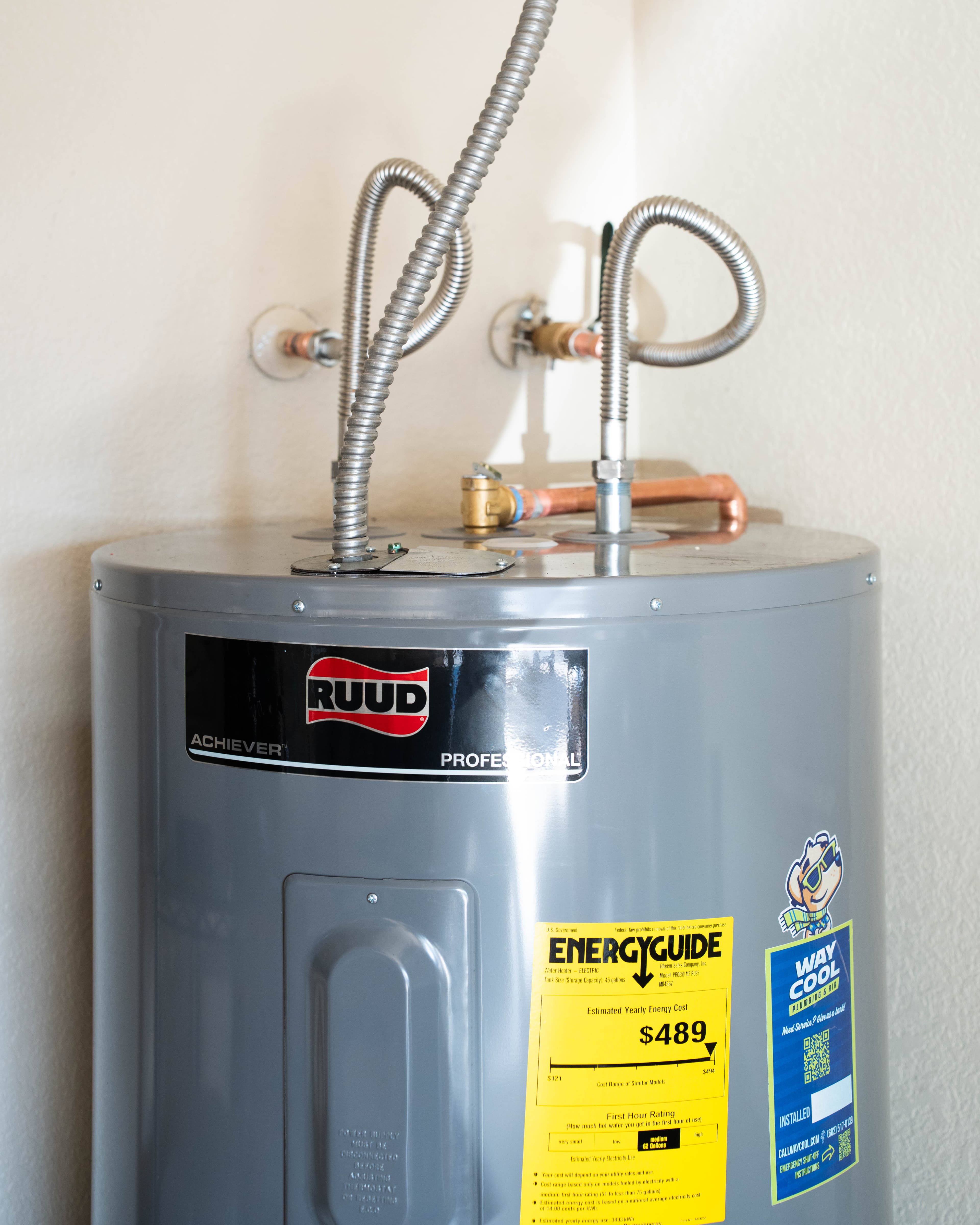
Hard water minerals can form scale inside plumbing fixtures, valves, water heaters, showerheads, dishwashers, and washing machines. Over time, this buildup can reduce flow, stress components, and make appliances work harder. Inside a tank water heater, mineral sediment can settle at the bottom. The burner or heating elements then have to work through that layer, which can reduce performance and contribute to noise, overheating, or premature failure.
Hardness itself is not the same thing as unsafe water. It is mainly a nuisance and plumbing-performance issue. That said, water quality concerns can vary by home, plumbing age, and specific contaminants, so testing is the right starting point. A professional water test can help separate hardness from taste, odor, chlorine, sediment, or other concerns. This matters because a water softener and a filter solve different problems.
The most common hard-water solution is a water softener. A softener addresses calcium and magnesium minerals that cause scale. Some homes may also benefit from filtration for taste, odor, sediment, or other concerns. Way Cool can evaluate your water, plumbing setup, and goals before recommending a treatment system. The goal is not to install equipment because equipment exists. Humanity already owns enough objects.
Hard water damage tends to build slowly. That makes it easy to ignore until a fixture fails, a water heater struggles, or appliances need repairs earlier than expected. Treating hard water can help protect plumbing investments and make daily water use more pleasant. Less scale, better lather, cleaner fixtures, and happier appliances are not exactly poetry, but they are a practical kind of victory.
Yes. Phoenix water is generally hard because it contains dissolved minerals such as calcium and magnesium.
Hard water can contribute to mineral sediment inside tank water heaters, which may reduce performance and shorten equipment life.
A water softener targets hardness minerals. A filter targets other concerns such as taste, odor, sediment, or certain contaminants. Many homes benefit from testing before choosing.
If hard water is leaving scale on your fixtures or stressing your water heater, schedule a Way Cool water treatment consultation for your Phoenix-area home.
Schedule online or call. $89 service call, waived with any approved repair.